
Updated
If you’re traveling in Japan, one common question is: Do you need to pay to use toilets?
The short answer is:
👉 Almost all public toilets in Japan are free.
This is one of the things that makes traveling in Japan especially convenient.
📍 Free Toilets Are Everywhere
Japan has an extensive network of public restrooms, and most of them are free to use. You’ll easily find toilets in places like:

- Train stations and subway stops
- Airports
- Convenience stores
- Shopping malls and department stores
- Parks and tourist attractions
In cities like Osaka, it’s rare to walk far without finding one.
🏪 Convenience Stores (Konbini)
Chains like 7-Eleven, FamilyMart, and Lawson usually allow customers to use the toilet.
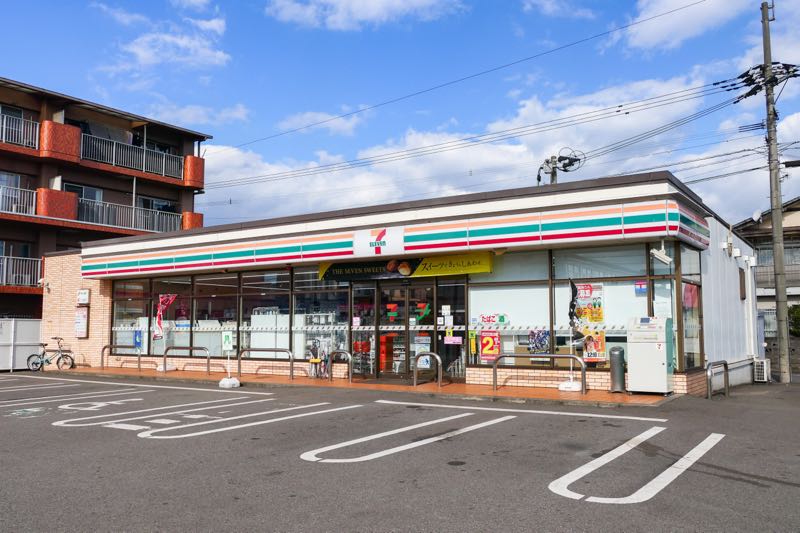
- Often free
- Sometimes you may need to ask staff
🚉 Stations & Public Facilities
Train stations and public buildings are some of the most reliable places. They offer:

- Free access
- Clean and well-maintained facilities
- Regularly stocked toilet paper
Many also include baby-changing areas and accessible toilets.
⚠️ Are There Any Paid Toilets?
Paid toilets do exist — but they are very rare. You might occasionally see:
- High-end or premium restrooms (¥50–¥100)
- Older facilities in rural areas
- Temporary toilets in remote parks
Even then, free options are usually nearby. Unlike some countries in Europe, Japan does not commonly use coin-operated entry systems.
⛰️ Mountains and Hiking Trails
The one place you should expect to pay is in the mountains. On popular climbs like Mount Fuji, toilets at mountain huts and trail stations usually ask for a fee of a few hundred yen, because waste has to be treated on site or carried down. You may also see チップ制 (chippu-sei, “tip system”) toilets at remote tourist spots, with a box asking for a small donation toward upkeep. Carry some ¥100 coins if you’re heading into the mountains.
🛒 Do You Have to Buy Something?
It depends on where you are:
- Stations, parks, department stores, malls and public buildings: no. These toilets are for everyone.
- Convenience stores: not required. Buying a drink or snack is a polite way to say thanks, especially if you use the toilet often.
- Cafés, restaurants and fast-food chains: toilets are generally for customers. If you’re not buying anything, ask first. Our guide to asking to use a café or restaurant toilet has the phrases.
🚄 Toilets on Trains
Shinkansen (bullet trains) and most long-distance limited express trains have free toilets on board, usually between carriages. Most city subway and commuter trains don’t have toilets at all. Before a long ride on a local line, use the station toilet first. See our full guide to toilets on Japanese trains.
💡 Helpful Tips
Even though toilets are free, a few small things can help:
- Carry pocket tissues (just in case)
- Don’t assume soap or dryers are always available
- In rural areas, facilities may be simpler
What to carry:
- Pocket tissues: for older park toilets or rural stations that run out of paper. In big cities, people often hand out free packs on the street as advertising.
- A small handkerchief or hand towel: paper towels are often missing, and many people in Japan carry one for drying their hands.
- A few ¥100 coins: only needed for mountain or tip-box toilets, but handy to have.
You might also notice family restrooms and accessible facilities. These are also free and widely available.
🌏 Why Toilets Are Free in Japan
Public toilets in Japan are maintained as part of infrastructure. They are:
- Funded and managed locally
- Cleaned regularly
- Designed for public convenience
👉 This is why they’re both free and very clean.
❓ Quick Questions
Do I need coins for station toilets?
No. Station toilets are free, and there are no turnstiles or attendants to pay. The only thing that can block you is the ticket gate, since some toilets are inside it. See how to find a toilet in Japan for how that works.
Are airport toilets free?
Yes. Airports like Narita, Haneda and Kansai have plenty of free toilets on every level, including before and after security.
Are free toilets clean?
Generally, yes. Toilets in stations, department stores and malls are cleaned several times a day. Park and rural toilets are more basic, but still usually well kept.
Find the nearest free toilet instantly.
Get the Sugu Toire widget to see walking times and distances to the closest restroom right on your home screen.
Get the AppRelated Guides
Learn more about using and asking for toilets in Japan with these helpful guides.