
How to Find a Toilet in Japan (2026 Guide)
Updated
Finding a toilet in Japan is usually easy — but when you really need one, it can suddenly feel stressful. The good news: Japan has plenty of clean, accessible bathrooms. The trick is knowing where to look.
📍 The Most Reliable Places
🏪 Convenience Stores (コンビニ)
Convenience stores are one of the easiest options. Chains like:
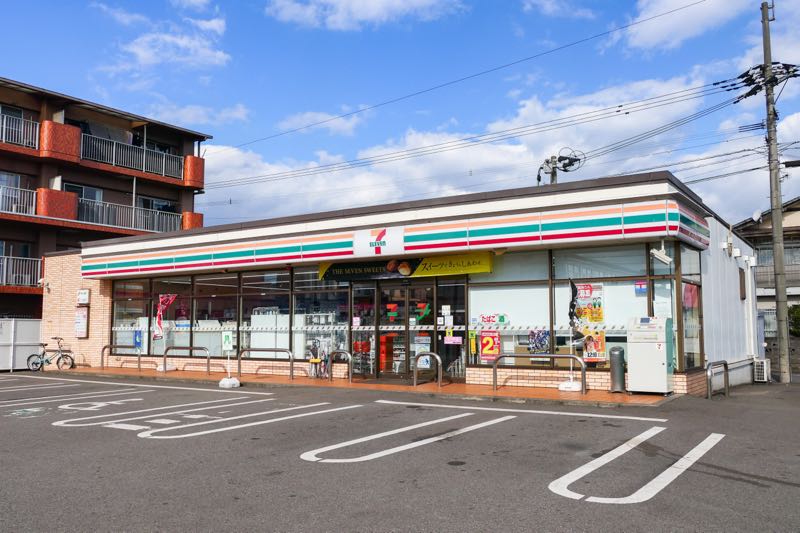
- 7-Eleven
- Lawson
- FamilyMart
- Ministop
Almost always have a toilet available. They are typically:
- Usually located at the back
- Marked with トイレ (toilet)
- Clean and free
- Often open 24/7
🚉 Train & Subway Stations
Major stations are one of the most reliable places. Examples include:

- Tokyo: Tokyo Station, Shinjuku, Shibuya, Ueno
- Osaka: Osaka/Umeda, Shin-Osaka, Namba
- Kyoto: Kyoto Station
What to expect:
- Free toilets inside or outside ticket gates
- Clear signage (often multilingual)
- Western-style toilets available
- Baby-changing facilities in many locations
🎫 Inside vs. Outside the Ticket Gates
Station toilets are either inside the gates (改札内, kaisatsu-nai) or outside the gates (改札外, kaisatsu-gai). Toilets inside the gates are only reachable with a valid ticket or IC card like Suica, PASMO or ICOCA. Big stations usually have both. Smaller subway stations often only have one inside.
- Already travelling? Use the toilet before you tap out. It saves you searching later.
- Not taking a train? Follow the signs for toilets outside the gates. If there aren't any, ask the staff at the manned gate window. They may let you through.
- Check the signs: station maps and hanging signs show the toilet pictogram, and many mark whether it's inside or outside the gates.
🏬 Department Stores & Depachika
If you want the cleanest toilets, go here. Popular stores:

- Takashimaya
- Hankyu
- Isetan
- Daimaru
Why they’re great:
- Spotless, hotel-level quality
- Multiple floors = multiple toilets
- No need to search much
Toilets on the upper floors (furniture, homeware, restaurants) are usually much quieter than the ones near the entrance or at the station below. In a busy area like Shibuya, going up a few floors in a department store or fashion building is often faster than queuing at the station. Department stores typically open around 10:00 and close around 20:00, so they're a daytime option.
🛍️ Shopping Malls & Electronics Stores
Another very safe option. Examples include Grand Front Osaka, HEP Five, Yodobashi Camera, Bic Camera, and Uniqlo.
- Free and easy to access
- Elevators often lead directly to restrooms
- Good option if you're already shopping
🌳 Parks, Temples & Outdoor Areas
Public toilets are common in parks such as Utsubo Park, Osaka Castle Park, and Sumiyoshi Taisha.

- Usually near entrances
- Free and maintained regularly
- Sometimes surprisingly clean
In Tokyo, look out for The Tokyo Toilet project in Shibuya. 17 public toilets there were rebuilt by well-known architects and designers, and some have become small sightseeing spots of their own.
🍔 Other Reliable Spots
- Fast food chains like McDonald's or MOS Burger (Usually require a purchase)
- Public facilities: Libraries, City halls, Tourist information centers
👉 These are often overlooked but very reliable.
🚗 Road Trips: Michi-no-Eki & Highway Rest Areas
Driving through the countryside? Look for Michi-no-Eki (道の駅, "roadside stations"). There are more than 1,200 across Japan, and they're required to have toilets and parking available 24 hours a day. On expressways, every Service Area (SA) and Parking Area (PA) has toilets, and larger ones have shops and restaurants too.
🔎 How to Spot a Toilet Sign
Signs are usually easy to follow once you know what they look like:
- トイレ (toire): the most common word, used almost everywhere
- お手洗い (otearai): a politer word, common in shops and restaurants
- 化粧室 (keshōshitsu): "powder room", used in department stores and hotels
- WC and the familiar men/women pictograms, often blue and red
In large buildings, check the floor guide (フロアガイド) next to the elevators. Toilets are marked on every floor. If you can't find a sign, it's fine to ask. Our Japanese toilet phrases guide has everything you need.
🌙 Finding a Toilet at Night
Late at night your options shrink, but you're rarely stuck:
- Convenience stores are the best bet, since most are open 24/7. Some city-center stores, especially in nightlife areas, don't offer customer toilets or close them at night.
- Train stations keep their toilets open until the station closes after the last train, usually around midnight to 1:00.
- Park toilets are often open around the clock, but can be dark and less well kept at night.
- If you're out for the evening, izakaya, karaoke boxes and bars all have toilets for customers.
♿ Accessible & Family Toilets
Look for signs saying 多目的トイレ (tamokuteki toire, multi-purpose toilet) or 多機能トイレ (takinō toire). These larger rooms have wheelchair access, handrails, baby-changing tables and often an ostomate sink. They're common in stations, department stores, malls and newer public toilets. If you don't need the extra space, use the regular toilets so these stay free for people who do.
⚠️ Things to Keep in Mind
- Some toilets close when the building closes at night.
- Not all are clearly visible from the street—look for signs on building directories.
- “Public” doesn’t always mean easy access; sometimes they are tucked away on higher floors.
- English signage is common in cities, less so in rural areas.
Find the nearest free toilet instantly.
Get the Sugu Toire widget to see walking times and distances to the closest restroom right on your home screen.
Get the App❓ Frequently Asked Questions
Are there public toilets on the street in Japan?
Yes. Standalone public toilets (公衆トイレ, kōshū toire) are common in parks, outside stations and at tourist spots. On ordinary shopping streets they're less common. There, use a convenience store, department store or shopping mall instead.
Do I need to buy something to use a convenience store toilet?
No, but buying a drink or snack is a nice way to say thanks. See Are toilets free in Japan? for the few places where you might pay.
Can I use a station toilet without a train ticket?
If the toilet is outside the ticket gates, yes. If it's inside, ask the staff at the gate window.
Will there be toilet paper?
In cities, almost always. In rural areas and some older park toilets, carry a pack of pocket tissues just in case. Paper towels are rarer, so a small handkerchief is useful too.
What if a café is the only option?
Ask politely. Our guide to asking to use a café or restaurant toilet has the exact phrases.
🧭 Final Thoughts
Japan is one of the easiest countries in the world for finding clean toilets — once you know where to look. If you remember just a few places: convenience stores, stations, and department stores, you’ll almost never be stuck.
Related Guides
Learn more about using and asking for toilets in Japan with these helpful guides.